Introduction
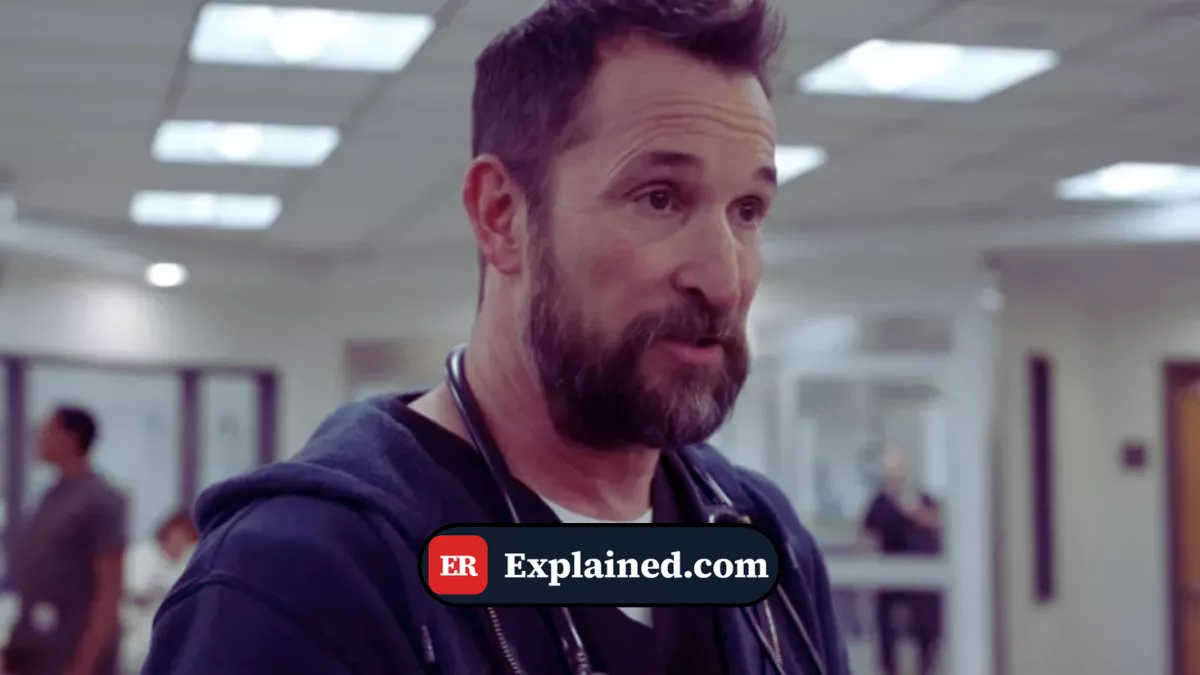
The Pitt — Episode 4, Mr. Spencer's final moments:
"Those sounds he's making — those are called agonal respirations. Close to the end." — Dr. Robby
"He said our mother's name. Like she was right here in the room." — Jereme
"There's a Hawaiian ritual called ho'oponopono — the four things that matter most. I love you. Thank you. I forgive you. Please forgive me." — Dr. Robby
The Pitt Episode 4 dedicates an entire narrative arc to the death of Mr. Spencer — and does so with rare clinical and human honesty. While the ER around it buzzes with traumas, arrhythmias, and psychoses, a pediatric room with animal drawings on the walls becomes the setting for one of the most difficult interventions in emergency medicine: accompanying a family through loss.
Managing the actively dying patient in the ER is an increasingly common and still widely underestimated scenario in medical training. Recognizing agonal breathing, managing the death rattle, communicating with clarity, and offering human presence are skills as essential as cardioversion or intubation.
What Is Agonal Breathing?
Agonal breathing — also called terminal Cheyne-Stokes respiration or gasping — is an irregular breathing pattern that occurs in the final hours or minutes of life. It is produced by the progressive failure of respiratory centers in the brainstem as cerebral perfusion irreversibly diminishes.

It is characterized by irregular cycles of shallow breaths followed by pauses (apneas) of variable duration, sometimes interspersed with deep, noisy inspirations — the so-called "gasps." It may be accompanied by the death rattle: the gurgling sound produced by secretions pooling in the oropharynx that the patient can no longer swallow or clear.
It is essential to communicate to the family that agonal breathing does not indicate suffering — the patient is unconscious and does not perceive discomfort. The distress belongs to the family, not the patient. This communication, delivered with care by Dr. Robby in the episode, is a therapeutic intervention in itself.
Causes & Clinical Context
The active dying phase occurs when the body fails progressively and irreversibly. In the ER, this scenario arises most commonly in:
- Terminal extubation: as in Mr. Spencer's case — planned withdrawal of ventilatory support with family consensus
- Refractory multi-organ failure after prolonged resuscitation without response
- Catastrophic irreversible brain injury: brain death under confirmation, or severe anoxic injury
- Advanced terminal illness: malignancy, end-stage heart or renal failure, with no possibility of reversal
- Frail elderly patient with multiple comorbidities acutely deteriorating in the ER
The ER is rarely the ideal environment for this process — but it is where it increasingly occurs. The emergency physician's responsibility is to create, within the service's limitations, the most human and dignified space possible.
Signs & Symptoms of Active Dying
Recognizing the active dying phase guides the team to shift focus from curative treatment to comfort care. Signs include:
- Irregular breathing with prolonged pauses (Cheyne-Stokes or gasping pattern)
- Respiratory rattle — gurgling sound from oropharyngeal secretions
- Cold, mottled extremities — peripheral vasoconstriction from low cardiac output
- Progressive peripheral and central cyanosis
- Fixed, dilated pupils — brainstem failure
- No response to verbal or painful stimuli
- Half-open eyes without ocular movement
- Progressive decrease in heart rate until asystole
Diagnosis and Assessment
The diagnosis of active dying is clinical. No laboratory test or imaging study determines when a patient is "dying now" — it is an integrative assessment of clinical trajectory, care goals established with the family, and experienced clinical judgment.
Tools such as the Palliative Performance Scale (PPS) and the Surprise Question ("would you be surprised if this patient died in the next few months?") assist in early identification of terminal patients. In the ER, direct clinical observation and open communication with the family are the most practical instruments.
Emergency Treatment: Comfort Protocol
The comfort protocol for active dying includes pharmacological and non-pharmacological measures:
- Discontinue unnecessary monitoring: silence alarms, remove pulse oximeter and cardiac monitor — the numbers no longer matter
- Morphine IV or SC: 2 to 4mg every 4 hours or in continuous infusion — for dyspnea and pain relief
- Glycopyrrolate or scopolamine: for death rattle and secretion control — as administered by Dr. Robby in the episode
- Midazolam SC PRN: 2 to 5mg for terminal anxiety or agitation
- Low-flow nasal oxygen: as comfort — not to maintain saturation targets
- Oral care: moistened swabs to keep mucous membranes hydrated
- Comfortable positioning: lateral decubitus (recovery position) facilitates secretion drainage
- Family presence: encourage family to stay, touch, speak — hearing is the last sense to be lost
The ho'oponopono — the Hawaiian ritual of four phrases mentioned by Dr. Robby — is not a medical protocol, but represents a powerful tool for emotional closure: "I love you. Thank you. I forgive you. Please forgive me." Its mention in the episode is an example of how the emergency physician can offer emotional support with simplicity and depth.
Prognosis and the Role of the Team
Death is the inevitable outcome of the agonal phase. Prognosis, in this context, is not about survival — it is about quality of the dying process. The team has the power to transform a distressing death into a dignified one.
Essential aspects for the team include:
- Honest, compassionate communication: prepare the family for what is coming — sounds, colors, breathing patterns
- Avoid euphemistic language: say "he is going to die" rather than "he may not make it"
- Active presence: return to the room regularly, do not abandon the family
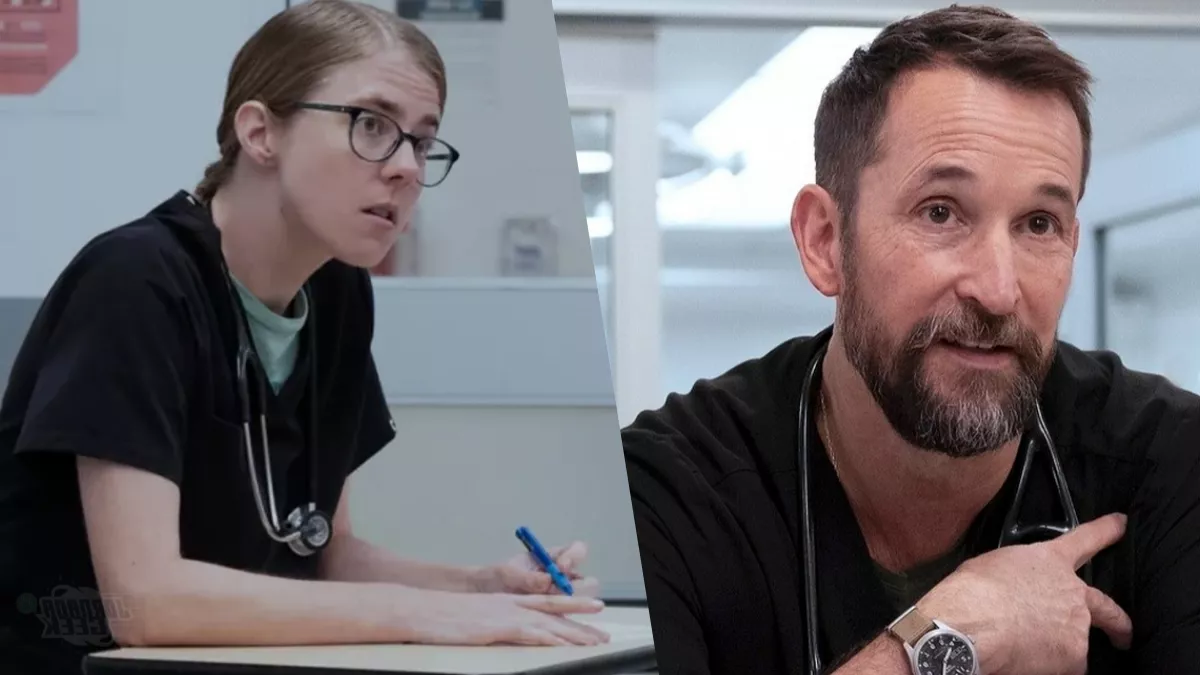
- Staff self-care: debriefing after difficult deaths — as Dr. Robby and Dr. Collins model throughout the episode
- Adequate documentation: record life-sustaining treatment limitation decisions, family consent, and clinical evolution
Frequently Asked Questions
Does agonal breathing mean the patient is suffering?
No. Agonal breathing is produced by brainstem respiratory center failure — the patient is unconscious and does not perceive discomfort. The sound may be disturbing for the family, but does not represent patient suffering. The death rattle — the gurgling sound of secretions — also does not indicate pain, but can be reduced with glycopyrrolate or scopolamine for the family's comfort.
How long does the agonal phase last after terminal extubation?
Duration is highly variable and impossible to predict precisely. Most patients progress to death within minutes to hours after terminal extubation — as honestly communicated by Dr. Robby to the family in the episode. Exceptional cases may last up to 24 hours. The family must be prepared for this uncertainty, honestly, without creating false expectations in either direction.
Is the ER an appropriate place for a patient to die?
Ideally not — ICU or palliative care units offer more privacy and structured support. But the ER is where many deaths occur, and the emergency physician has a responsibility to humanize this process within the environment's limitations. In The Pitt, moving Mr. Spencer to the pediatric room with drawings on the walls was a powerful symbolic gesture — creating a more welcoming space within the ER's chaos.
How should family conflict over end-of-life decisions be handled?
Family conflict — as seen between Mr. Spencer's children in the episode — is common and expected. The physician's role is not to take sides, but to facilitate dialogue, present clinical reality with clarity, and identify the patient's values (when expressed in life or in advance directives). Social work, psychology, and hospital bioethics teams are essential allies in these situations.
Conclusion
Mr. Spencer's narrative arc in The Pitt is a reminder that emergency medicine is not only about saving lives — it is also about accompanying with dignity when saving is no longer possible. Recognizing agonal breathing, controlling the death rattle, offering the right words to the family, and creating a space for farewell are skills every emergency physician must cultivate with the same dedication applied to resuscitation maneuvers.
Also explore our articles on Brain Death and Apnea Test and Terminal Extubation in the ER in our Emergency Scenarios category.
This content is for educational purposes only and does not substitute professional medical evaluation, diagnosis, or treatment. In case of emergency, call 911 immediately.