Introduction
The Pitt — Episode 4, after Stone's relief decompression:
"Let's put in a pigtail catheter." — Dr. Robby
"He doesn't need a chest tube?" — Resident
"The original pneumothorax was tiny. The pigtail will do it." — Dr. Robby
After decompressing Stone's tension pneumothorax with a 14G needle, Dr. Robby in The Pitt opts for the pigtail catheter over a conventional chest tube. The choice is not arbitrary — it reflects a real shift in emergency medicine practice, where the pigtail catheter has progressively replaced large-bore conventional drains for uncomplicated pneumothorax, with less pain, less invasiveness, and equivalent efficacy.
Understanding when to use the pigtail, how to insert it, and what its limitations are is one of the most important technical competencies for the modern emergency physician in managing pleural pathology.
What Is the Pigtail Catheter?
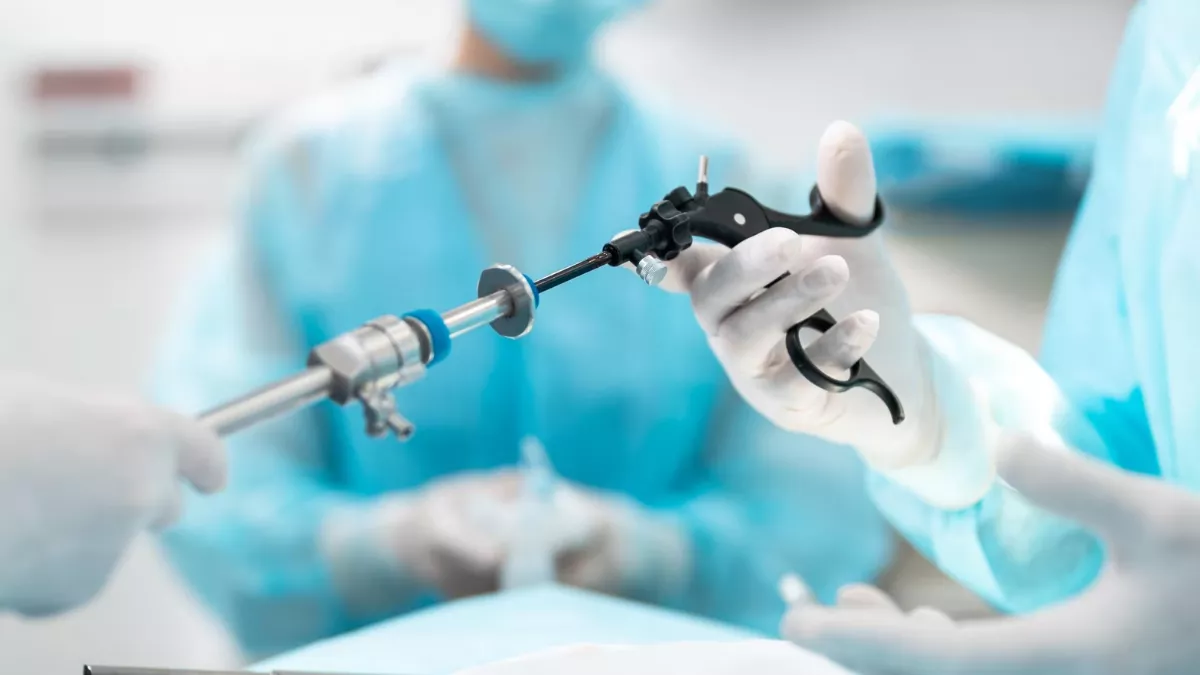
The pigtail catheter — named for the spiral shape of its tip, resembling a pig's curly tail — is a small-bore pleural drainage catheter (8 to 14 French), inserted using a Seldinger technique with a metallic guidewire. Unlike the conventional chest tube (28 to 32 French), which requires a surgical incision and blunt dissection of the chest wall, the pigtail is inserted through a small skin puncture with a needle, without scalpel or dissection.

Its spiral (pig-tail) tip anchors the catheter inside the pleural space, preventing inadvertent dislodgement and allowing continuous drainage when connected to a water seal drainage system or active suction.
The smaller caliber means less tissue trauma, less post-procedure pain, and lower complication risk — without sacrificing efficacy for pneumothorax and small to moderate hemothorax.
Indications and Clinical Context
In the ER, the pigtail catheter is indicated for:
- Primary spontaneous pneumothorax: in young patients without underlying lung disease — equivalent efficacy to conventional drain with much less pain
- Uncomplicated traumatic pneumothorax: without significant hemothorax — as in Stone's case after relief decompression
- Iatrogenic pneumothorax: post-central venous access, post-BiPAP in contused lung
- Small to moderate hemothorax: less than 300-500mL — larger drains may be needed for higher volumes or clots
- Parapneumonic pleural effusion: for simultaneous drainage and sampling
- Malignant pleural effusion: dyspnea palliation in oncological patients
The pigtail is not indicated for large hemothorax (above 500-1000mL), clotted hemothorax, thick empyema (dense pus does not drain through small caliber), or when dependent drainage positioning is needed (conventional drain offers better positioning).
Anatomy and Reference Points
Preferred insertion sites for the pigtail:
- 2nd intercostal space, midclavicular line: classic site for pneumothorax — anterior access, easy landmark, away from major vessels. Preferred when patient is supine and cannot be mobilized
- 4th or 5th intercostal space, anterior or mid-axillary line: preferred ultrasound-guided site — better fluid drainage, lower soft tissue injury risk, more comfortable for the patient. Preferred for hemothorax and effusions
At any site, insertion must be over the superior rib border — never the inferior border, where the intercostal artery, vein, and nerve (neurovascular bundle) run in the subcostal groove.
Insertion Technique
Pigtail catheter insertion follows the Seldinger technique:
- Patient positioning: supine with ipsilateral arm abducted (for axillary access) or over the head
- Antisepsis and sterile field: alcohol chlorhexidine, fenestrated drapes
- Local anesthesia: 1 to 2% lidocaine — progressive infiltration of skin, subcutaneous tissue, rib periosteum, and parietal pleura. Wait 2 to 3 minutes for complete anesthesia
- Initial puncture: puncture needle (included in kit) inserted perpendicular to skin, over the superior rib border, with continuous aspiration until air or pleural fluid is obtained
- Guidewire insertion: advance the metallic wire through the needle lumen — never force if resistance is met
- Needle removal: maintain the wire in place
- Tract dilation: plastic dilator over the wire — gentle rotating motion
- Catheter insertion: advance the pigtail catheter over the wire to the depth marking — the spiral tip forms automatically inside the pleural space
- Wire removal: maintain the catheter in place
- Connection to drainage system: water seal or active suction at -20cmH₂O
- Fixation: U-stitch or specific adhesive — confirm position with chest X-ray
Pigtail vs. Conventional Chest Tube
The main practical differences:
- Caliber: pigtail 8-14Fr vs. chest tube 28-32Fr — enormous difference in invasiveness and pain
- Technique: pigtail by Seldinger (puncture + wire) vs. chest tube by blunt dissection with finger and trocar
- Post-procedure pain: significantly less with pigtail — studies show 40 to 60% reduction in analgesic requirements
- Pneumothorax efficacy: equivalent — multiple randomized trials confirm non-inferiority
- Hemothorax efficacy: inferior for large volumes — clotted blood does not drain through small caliber
- Insertion time: similar when operator is experienced with Seldinger
In Episode 4, Dr. Robby makes exactly the right choice: Stone's pneumothorax was originally small — only enlarged by BiPAP. After relief decompression, the pigtail was sufficient to drain residual air without the additional trauma of a 32F drain.
Prognosis & Complications
When correctly inserted, the pigtail catheter has an excellent safety profile. Possible complications include:
- Malposition: catheter in lung parenchyma, subcutaneous space, or fissure — mandatory radiological confirmation
- Obstruction: clot or catheter kinking — flush with 10mL NS may clear; failure indicates malposition
- Inadvertent removal: inadequate fixation — U-stitch is mandatory
- Intercostal neurovascular injury: puncture over inferior rib border — prevented by correct technique
- Ex-vacuo pneumothorax: insufficient lung re-expansion from trapped lung — indicates need for active suction

Frequently Asked Questions
Can a pigtail catheter be inserted without ultrasound?
Yes, especially for pneumothorax at the 2nd intercostal space, midclavicular line — an anatomical landmark that requires no imaging guidance. For hemothorax or effusions, ultrasound is strongly recommended to confirm collection location, depth, and absence of vessels in the trajectory. POCUS significantly reduces the risk of adjacent structure injury.
When is the conventional chest tube still necessary?
The 28-32F chest tube remains the standard for large hemothorax (above 500-1000mL), clotted hemothorax, thick empyema, and when dependent drainage positioning is required. It is also preferred in severely injured patients who need blood output monitoring to guide surgical decision-making.
How do you know if the pigtail is working correctly?
Proper function is confirmed by: oscillation of the liquid column in the connector tubing with breathing (tidaling), bubbling in the water seal (indicates active air leak), and progressive lung expansion on follow-up X-ray. Absent oscillation indicates obstruction — try NS flush; absent radiological improvement indicates malposition.
How long can a pigtail catheter remain in place?
There is no fixed deadline — the catheter is maintained until pneumothorax resolution or complete effusion drainage. For pneumothorax, removal criterion is absent bubbling for 24 hours with expanded lung on X-ray. For effusions, removal occurs when output drops below 150-200mL/24h. Catheters maintained beyond 7 to 10 days carry increased local infection risk.
Conclusion
Dr. Robby's pigtail choice in The Pitt was not only clinically correct — it was an example of patient-centered medicine: choosing the effective intervention with the least possible trauma. The pigtail catheter represents the direction of modern emergency medicine, where less invasiveness does not mean less efficacy.
See also: Tension Pneumothorax from BiPAP and Pneumothorax from Pulmonary Contusion. Explore our Medical Instruments category.
This content is for educational purposes only and does not substitute professional medical evaluation, diagnosis, or treatment. In case of emergency, call 911 immediately.